Overview
Excursion 1: The Valley of the Kings, the Temple of Queen Hatshepsut and the Colossi of Memnon
Departing from Luxor, this half-day excursion provides an enriching approach to the left bank of Luxor, very rich in ancient historical sites. Most are in surprisingly good condition.
Between each site there are 10 to 40 minutes in an air-conditioned vehicle.
Excursion 2: The Valley of the Queens, the Valley of the Craftsmen and the Temple of Medinet Habou
This half-day excursion allows you to make another approach to the Theban necropolis located on the left bank of luxor, always enriching and spectacular.
Excursion 3: The Valley of the Nobles, the Ramesium and the Temple of Seti the First.
This half-day excursion allows you to go deeper into the discovery of the Theban Necropolis .
Itinerary
We offer you :
Morning departure from your hotel in luxor for a half-day of visits:
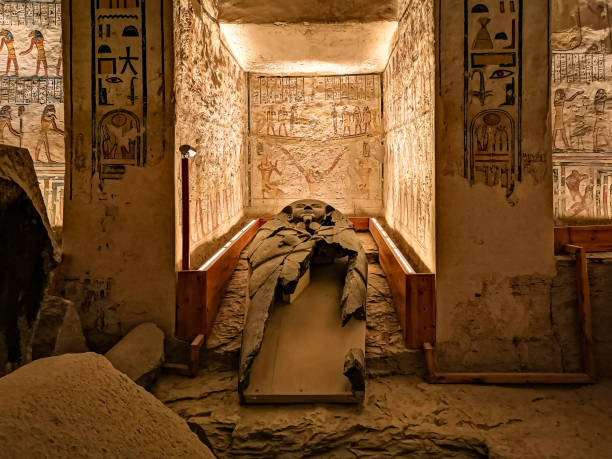
The Valley of the Kings: This necropolis contains the tombs of the kings of the new Pharaonic kingdom. The tombs are carved into the limestone rock of the Theban Mountains. There are officially sixty-two, listed in order of discovery. The theme often dealt with is their passage into the world of eternity. Refined carvings and well-preserved colors. It is the flagship historical site of Pharaonic Egypt.
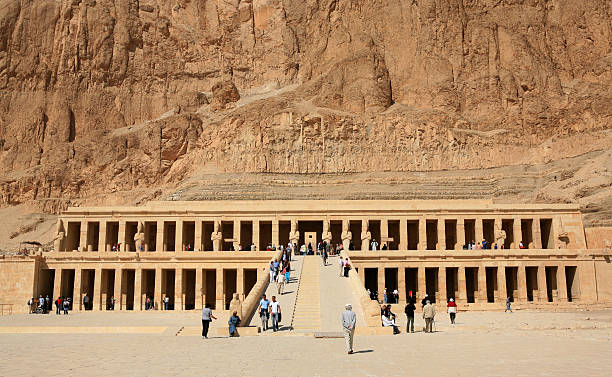
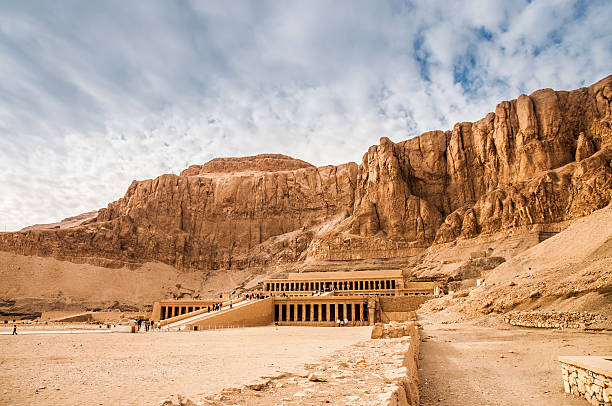
The temple of Queen Hatshepsout: Hatshepsout is the first feminist in history, she is the only one who defied the rules of the transmission of the throne and became pharaoh...!! Its temple also deviates from the architectural scheme of the time with three terraces superimposed one on the other against the mountain, thus creating a balanced harmony that delights the eye.
The Colossi of Memnon : Two imposing statues 17m high, representing the pharaoh Amenhotep3, placed at the entrance to the funerary temple built by the same pharaoh (the same temple was unfortunately destroyed in antiquity). They represent the pharaoh seated on his throne and wearing the royal scarf of the time, the nemes. On either side of his legs, there are two representations on a reduced scale for his mother and his wife.
Return to the hotel in the early afternoon.
Early departure from your hotel in Luxor to visit:
The valley of the queens : This necropolis contains the tombs of queens, princes, princesses and some high dignitaries; about 70 tombs of royal wives of the 18 and 19 pharaonic dynasties. The tombs retain splendid original colors and captivating carvings.
The Valley of the Craftsmen(Deir El-Medina): a community of navvies, masons, draughtsmen, painters, sculptors, scribes, etc. who lived in this place discovered in 1905. This old village constitutes a mine of information on the craftsmen of the 18th and 19th Pharaonic dynasties; their way of life and their kit of tools used. It retains the first civilian dwellings known to date. This village contains a necropolis of about 57 tombs for some of these craftsmen. Although the tombs are more modest than the royal ones in the Valley of the Kings, but they are beautiful and rich in color with their paintings which give the impression that the artist has just completed his work in the tomb. The site also contains a small Greek temple dedicated to the cult of the goddess Hathor, transformed into a church at the
The funeral complex of Medinet Habou : A must-see historical site on the left bank of the Nile in Luxor, containing monuments dating from the Pharaonic period to the Roman period through the Greek period. The main part of the site is built by Pharaoh Ramses3. You can admire the gigantic architecture embodied by the impressive facades as well as the staggering rooms and columns, not to mention the magnificent wall paintings, well preserved in part. The pylon containing texts and representations that tell the conquest of Ramses3 and his ingenious strategy that allowed him to defend the homeland against the invasions of the Libyans and the peoples of the sea.
Return to the hotel in the early afternoon.
The route
Early departure from your hotel in luxor to visit:
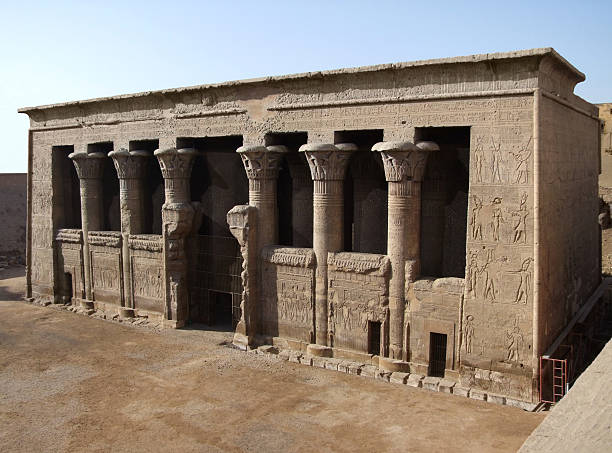
the temple of Seti first : A funerary temple erected in the first time by Ramses1er, father of Seti1er, who reigned very little time but completed by Setier, father of Ramses2. Composed of a portico and a room with columns giving access to chapels dedicated respectively to the deified Pharaoh, to Osiris, and to the Triad of Luxor; Amon, Mut and Khonsu. It also contains a solar courtyard and chapels dedicated to Ramses I
A The temple of Ramésieum: Castle of millions of years, this is the name of this funerary temple built during the lifetime of the magnificent Ramsès2. It is all to the glory of the pharaoh as evidenced by the military and religious scenes with which it is decorated with polychrome reliefs. The remains of the most imposing Pharaonic statue, depicting Ramses2, weighing one thousand tons in granite. The elegant hypostyle hall decorated by the scene of the capture of the fortress of Dapur in Asia Minor. The astronomical ceiling, in the room of the boats, is fully preserved.
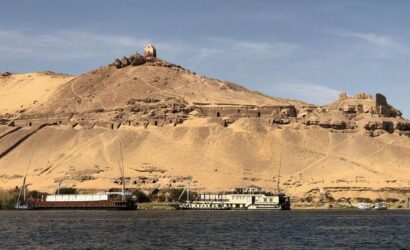
The Valley of the Nobles: This necropolis contains the tombs of high Theban dignitaries. It contains more than 500 tombs which all present quite exceptional decorations of the new Pharaonic kingdom. These are often agricultural scenes, in bright colors, or of everyday life, which allows us to get an idea of the society of the time.
Price
The Price Includes
- All transfers and travel during visits in a private vehicle.
- Entrances to sites mentioned in this itinerary.
- speaking Egyptologist guide, private, for the visits mentioned.
- All service charges.
The Price Excludes
- Any supplement not mentioned.
- Tips for the guide and the driver