

Overview
3 Days Kharga and Dakhla Oases Highlights
3 Days Kharga and Dakhla Oases is an unforgettable desert journey through Egypt’s Western Desert, offering travelers the opportunity to discover ancient temples, traditional villages, natural springs, and breathtaking oasis landscapes.
The 3 Days Kharga and Dakhla Oases experience combines history, culture, archaeology, and adventure. During the 3 Days Kharga and Dakhla Oases trip, visitors explore remarkable historical sites, authentic local communities, and spectacular desert scenery. The 3 Days Kharga and Dakhla Oases itinerary is ideal for travelers seeking a unique side of Egypt away from the traditional tourist routes.
Highlights of the 3 Day Kharga and Dakhla Oases Tour from Luxor
- Explore the magnificent Kharga Oasis
- Discover the beautiful Dakhla Oasis
- Visit the Temple of Hibis
- Explore the ancient Bagawat Necropolis
- Discover Qasr El-Zayan and Qasr Ghweita Temples
- Visit the medieval village of Al-Qasr
- Explore the Roman site of Deir El-Hagar
- Discover the traditional villages of Balat and Mut
- Relax in natural hot springs
- Experience desert camping under the stars
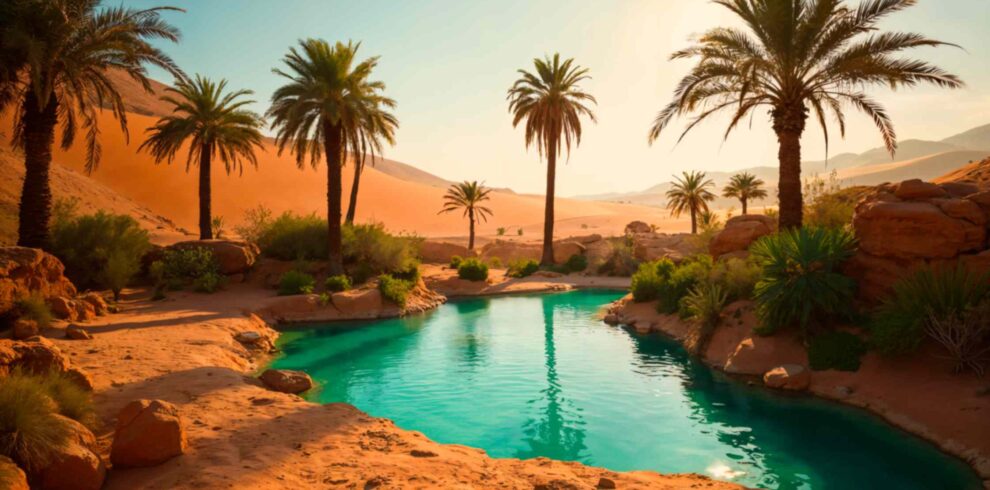
- Admire breathtaking sand dunes and oasis landscapes
- Travel with a private guide and comfortable transportation
Itinerary
Early morning departure from your hotel in Luxor, heading west toward Kharga Oasis, located approximately 250 km from the Nile Valley.
Leaving behind the fertile lands of the Nile, lined with picturesque villages, we gradually venture into the vast expanse of the Western Desert. This journey takes you far from the modern world and into breathtaking landscapes of golden sand dunes, dramatic rock formations, and endless silence.
Before reaching the oasis, we stop to explore three remarkable archaeological treasures:
Qasr El-Zayan
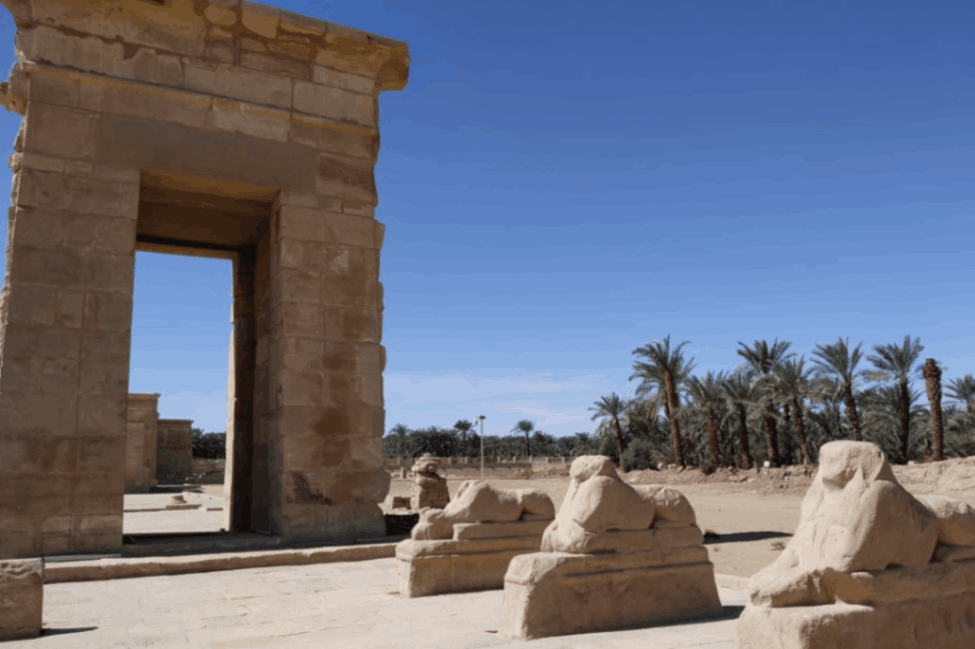
Built during the Ptolemaic period and expanded under Roman rule, this temple was dedicated to Amun-Re of Hibis, the ancient Pharaonic name of Kharga. It features a white limestone sanctuary surrounded by mud-brick chambers.
Qasr Ghweita
Known as the “Fortress of the Deep Springs,” this temple stands atop a hill overlooking the desert. Dating back to the 6th century BC, it was dedicated to the divine triad of Amun, Mut, and Khonsu and was built on the remains of an earlier Pharaonic settlement.
Qasr El-Nadoura
An ancient watchtower and defensive fortress strategically positioned on a hilltop. It once protected the oasis from raids and served as a customs post for caravans traveling between Darfur and Assiut. From the summit, enjoy spectacular views of palm groves, cultivated fields, and traditional pigeon towers surrounded by the desert sands.
Lunch break.
We then continue to Kharga Oasis and check in to your hotel.
In the afternoon, enjoy a leisurely tour through the oasis, discovering traditional mud-brick houses, lush palm groves, and historic pigeon towers. Here, the desert appears to slowly embrace the oasis as rolling dunes, ranging from one to six meters in height, gradually advance toward the greenery.
The excursion continues to Ganah, a stunning natural retreat where you can relax and swim in a natural hot spring surrounded by the desert landscape.
As the day draws to a close, witness a magnificent sunset over the dunes before returning to your hotel.
Dinner and overnight stay at the hotel.
After breakfast at the hotel, set off for an unforgettable 4x4 desert safari through the wild and spectacular landscapes surrounding Kharga Oasis.
Beyond the oasis’ green boundaries, the desert takes over. At first, limestone formations emerge from the sand, remnants of an ancient geological past. Gradually, the scenery transforms into an endless sea of rolling dunes stretching across the Kharga Depression as far as the eye can see.
Throughout this adventure, you will discover the silent remains of ancient Roman settlements that once flourished along the historic caravan routes:
Deir El-Munira
Located 23 km north of Kharga, the “Monastery of Light” is an important archaeological site featuring the ruins of a Roman fortress later converted into a Christian monastery. The site also contains a mud-brick temple that still stands today, reflecting the blending of different historical periods.
Qasr El-Dabashiya
Situated 28 km from the oasis, this fascinating site preserves the remains of a temple, a traditional pigeon tower, and ancient tombs. Inhabited from the Roman era until the mid-20th century, it tells the story of desert communities sustained by wells and trade routes.
Lunch break in the heart of the desert.
Umm El-Dabadib
Located 40 km northwest of Kharga, this hidden gem lies at the foot of the cliffs marking the edge of the depression. The extensive Roman settlement features an impressive fortress, an Egyptian temple, a Christian church, several necropolises, and a sophisticated irrigation system that once supported a thriving desert community.
Qasr El-Labakha
One of the most remarkable sites in the region, Qasr El-Labakha was established along an ancient route linking the oasis to Assiut. The site includes two temples, a cemetery, underground aqueducts, and a natural sulfur spring renowned for its rejuvenating properties. The Roman fortress overlooking the spring highlights the strategic importance of this location until the 4th century AD.
As evening falls, enjoy a traditional desert dinner before spending the night in a Bedouin-style camp beneath a sky filled with stars, surrounded by the profound silence of the desert and the gentle whisper of the wind across the dunes.
Dinner and overnight camping in the desert.
After breakfast, enjoy a morning dedicated to exploring some of the most remarkable historical treasures of Kharga Oasis.
Hibis Temple
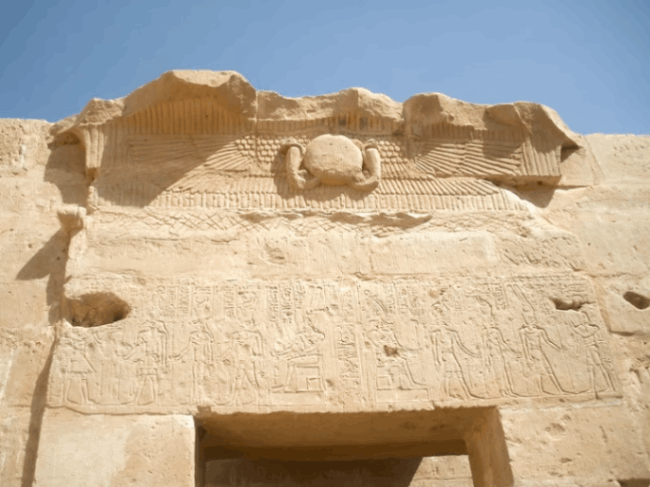
Located about 1 km north of the oasis, Hibis Temple is a fascinating testament to Egypt’s rich and layered history. Built during the 26th Dynasty, the last native Egyptian dynasty before the Persian conquest in 525 BC, the temple reflects the successive influences of the Pharaonic, Persian, Ptolemaic, and Roman periods. Its remarkably well-preserved structure and finely carved reliefs provide valuable insight into the evolution of religious traditions over many centuries.
Bagawat Necropolis
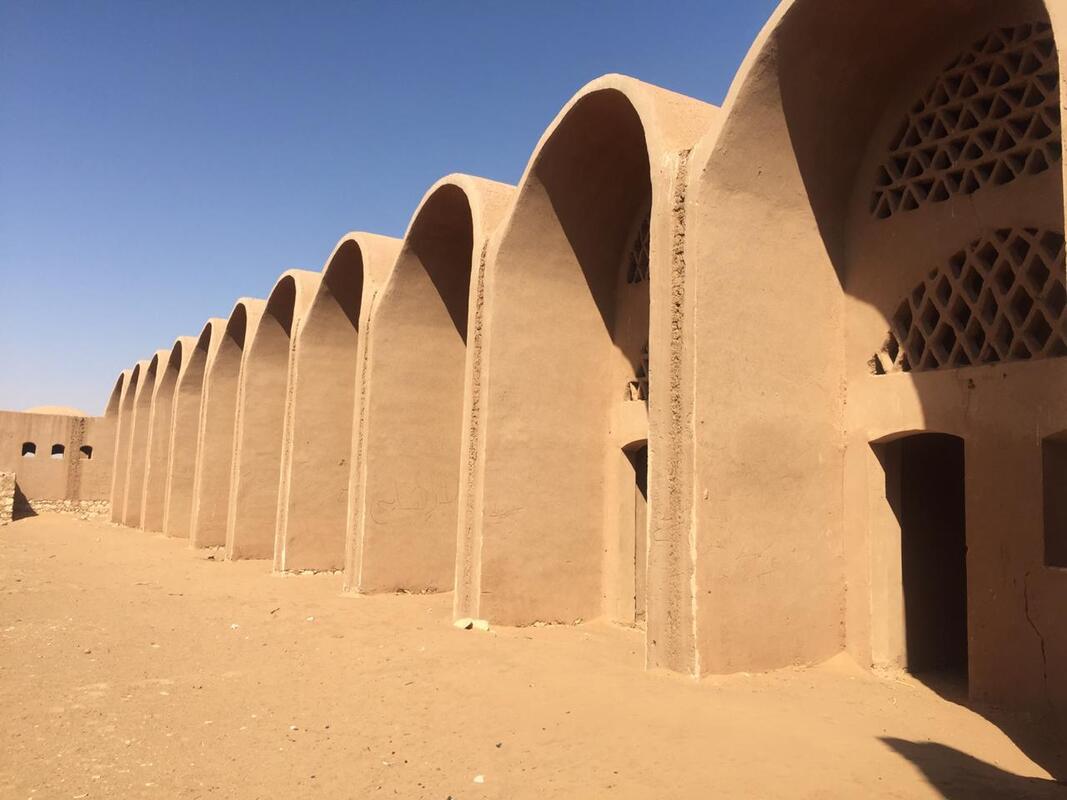
Dating back to the 4th century AD, Bagawat is one of the oldest and most important Christian cemeteries in Egypt. The site contains 236 mud-brick tomb chapels, each topped with a distinctive domed roof. At its center stands an ancient church, regarded as one of the earliest Coptic churches in the country.
Among its most famous monuments is the Chapel of the Exodus, decorated with frescoes depicting the Israelites’ departure from Egypt. Another notable structure, the Chapel of Peace, contains representations of Jacob, Saint Paul, Saint Thecla, and the Virgin Mary. Throughout the necropolis, Coptic inscriptions and colorful wall paintings reveal the faith, hope, and daily life of the early Christian communities who sought refuge in the oasis.
Lunch break.
After lunch, begin the journey back to Luxor, carrying with you unforgettable memories of Kharga Oasis, its ancient monuments, and its timeless desert landscapes.
End of the tour.
Price
The Price Includes
- All transfer and travel by private vehicle.
- Entrance fees to the sites mentioned.
- A tourist guide, private, to ensure the logistics and the visits mentioned
- Equipment and equipment for camping.
- Two nights in bivouac
- this excursion in full board.
- All service charges.
The Price Excludes
- Any supplement not mentioned.
- Tips for guide and driver
Frequently Asked Questions
Questions
The tour typically includes private transportation, accommodation, meals, an experienced guide, entrance fees, and visits to the major attractions in Kharga and Dakhla Oases.
Highlights include the Temple of Hibis, Bagawat Necropolis, Qasr El-Zayan, Qasr Ghweita, Deir El-Hagar, Al-Qasr Islamic Village, natural hot springs, and stunning desert landscapes.
Yes, the 3 Days Kharga and Dakhla Oases experience is suitable for families, couples, solo travelers, and anyone interested in history, culture, and desert adventures.
We recommend comfortable clothing, walking shoes, sunglasses, sunscreen, a hat, a camera, and a light jacket for the evenings.
Kharga Oasis is located approximately 230 km west of Luxor, while Dakhla Oasis lies further into Egypt's Western Desert.
The 3 Days Kharga and Dakhla Oases journey combines ancient history, authentic oasis culture, archaeological treasures, natural springs, and breathtaking desert scenery away from crowded tourist destinations.
The best time to enjoy the 3 Days Kharga and Dakhla Oases adventure is between October and April when temperatures are pleasant for sightseeing and outdoor activities.
The 3 Days Kharga and Dakhla Oases tour offers a rare opportunity to discover Egypt's hidden desert treasures, ancient monuments, traditional villages, and spectacular oasis landscapes in one unforgettable experience.



.jpg)